
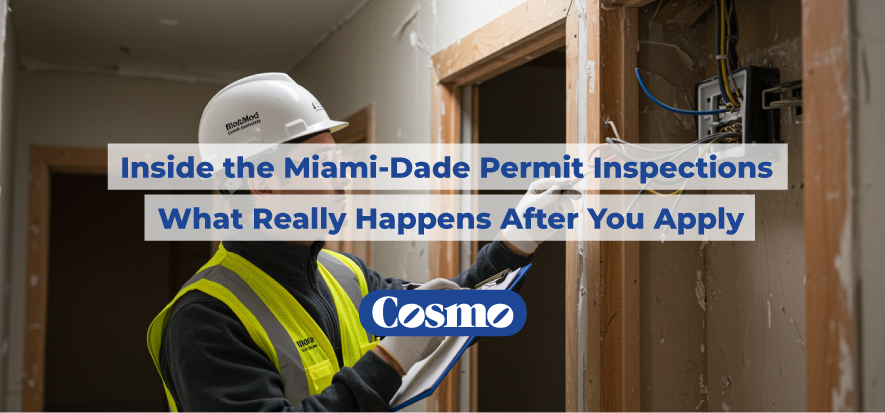
Inside the Miami-Dade Permit Inspections Process: What Really Happens After You Apply
Getting a permit approved in Miami-Dade is only half the job. The real gatekeeper between construction and compliance is the inspection process. This is where many projects slow down, fail, or get stuck in limbo for months.
For property owners, condo boards, and HOAs, understanding the Miami-Dade permit inspections process is essential. Inspections are not random. They follow a defined sequence, specific rules, and strict documentation requirements. When handled correctly, inspections move smoothly. When handled poorly, they create delays, fines, and compliance issues.
This guide explains exactly what happens from the moment an inspection is requested to final approval, and how to navigate the process without unnecessary stress.
Why Permit Inspections Matter More Than You Think
Miami-Dade County uses inspections to confirm that work complies with the Florida Building Code and local safety standards. This is especially critical in South Florida, where hurricane exposure, flooding, and aging buildings increase risk.
Inspectors verify that construction matches the approved plans, that materials are installed correctly, and that life safety systems function as required. Without passing inspections, permits cannot be closed, properties cannot be certified, and compliance remains incomplete.
You can review inspection requirements directly through the Miami-Dade Building Department.
Step 1: Knowing When an Inspection Is Required
Every permit includes a list of required inspections. These depend on the scope of work and may include rough inspections, partial inspections, and final inspections.
Common examples include electrical rough inspections before walls are closed, plumbing inspections after pipe installation, structural inspections for concrete or framing, and final inspections to close the permit.
Skipping or delaying a required inspection is one of the most common reasons permits remain open.
Step 2: Preparing Before You Request an Inspection
Before scheduling an inspection, the site must be fully ready. Inspectors do not approve work that is incomplete, inaccessible, or inconsistent with approved plans.
Preparation includes ensuring the correct plans are available on site, work areas are accessible, required components are exposed, and all prior inspections have been passed.
For condominiums and HOAs, this step often requires coordination between contractors, unit owners, and building management. Poor coordination here leads to failed inspections and reinspection fees.
Step 3: Requesting an Inspection Through the Official System
All inspections in Miami-Dade are scheduled through the county’s inspection portal.
Requests are typically made by the licensed contractor listed on the permit, though owners and managers can monitor status.
When requesting an inspection, you must select the correct inspection type. Choosing the wrong category is a common mistake and often results in automatic failure.
Timing also matters. Inspections must be requested before daily cut off times, and availability can vary depending on workload and season.
Step 4: What Inspectors Actually Look For
Inspectors verify three core things.
First, that the work matches the approved permit plans.
Second, that the installation complies with current building and safety codes.
Third, that previous inspection requirements have been satisfied.
Inspectors do not redesign projects or approve changes made without proper revisions. If field changes occurred, revised plans and approvals may be required before inspection can pass.
This is where many projects fail. Work gets modified on site without updating the permit documents.
Step 5: Passing or Failing an Inspection
After the inspection, the result is logged in the county system. There are only two outcomes. Pass or fail.
A passed inspection allows the project to move forward to the next stage or toward final closure.
A failed inspection includes written comments explaining what must be corrected. These comments are not optional. They must be addressed exactly as written before a reinspection can be scheduled.
You can track inspection results using the Miami-Dade Permit Tracking Tool.
Ignoring comments or attempting workarounds almost always leads to repeated failures.
Step 6: Correcting Issues and Requesting Reinspection
Once corrections are completed, a reinspection must be requested through the same portal. Reinspections are not automatic.
Common corrections include missing labels, improper clearances, incorrect materials, incomplete installations, or deviations from plans.
For older buildings, inspectors may also require upgrades to meet current safety standards, even if work was originally permitted under older codes.
Step 7: Final Inspection and Permit Closure
The final inspection confirms that all work is complete and compliant. Once passed, the permit is marked as finaled and officially closed.
This step is critical. Many permits remain open simply because final inspections were never scheduled, even though work was finished years earlier.
Closed permits protect property value, simplify sales and refinancing, and prevent issues during insurance renewals and milestone inspections.
Why Inspections Are Especially Complex for HOAs
HOAs and condo associations face additional challenges. Multiple units, shared systems, limited access, and owner coordination all complicate inspections.
Common HOA issues include owners not granting access, contractors missing scheduled inspections, lack of documentation continuity between boards, and poor tracking of inspection deadlines.
In Miami, where buildings are subject to recertifications and increased regulatory scrutiny, inspection failures can disrupt entire communities.
Real Example: How One Missed Inspection Delayed an Entire Sale
A Miami condo association discovered an open plumbing permit during a unit sale. The work had been completed years earlier, but the final inspection was never scheduled.
The buyer’s lender refused to close. The association had to locate the original contractor, expose portions of the plumbing, schedule inspections, and complete corrections.
The closing was delayed by over a month. All of it was avoidable.
How Professional Management Simplifies the Process
Managing inspections requires organization, follow through, and communication. This is where professional management makes a measurable difference.
Cosmo Management Group helps associations manage the entire Miami-Dade permit inspections process. From tracking required inspections, coordinating contractors, preparing sites, responding to inspector comments, and confirming permit closure, Cosmo ensures nothing slips through the cracks.
This proactive oversight reduces failed inspections, prevents expired permits, and protects the association from unnecessary risk.
Conclusion
The Miami-Dade permit inspections process is structured, predictable, and manageable when approached correctly. Delays and failures usually stem from poor preparation, miscommunication, or lack of follow up.
For property owners and HOA boards, inspections are not just a procedural step. They are a compliance safeguard that protects safety, value, and legal standing.
If your association is dealing with failed inspections, open permits, or confusion around inspection requirements, Cosmo Management Group is here to help. With deep experience navigating Miami-Dade regulations, we guide communities through inspections efficiently and correctly.
👉 Take control of your permitting process today. Connect with Cosmo and discover how we help HOAs pass inspections, close permits, and maintain compliance without the stress.
FAQs About the Miami-Dade Permit Inspections Process
What is the Miami-Dade permit inspections process
It is the sequence of required inspections that verify permitted work complies with approved plans and building codes.
Who can request an inspection in Miami-Dade
Typically the licensed contractor listed on the permit, though owners and managers can track results.
What happens if an inspection fails
The inspector provides correction notes that must be addressed before reinspection.
Can inspections delay property sales
Yes. Open or failed inspections often block closings and refinancing.
How can HOAs avoid inspection problems
By tracking inspections, preparing sites properly, and working with experienced management professionals like Cosmo.
You might find this useful:
- How to Finally Close an Open Permit in Miami-Dade: A Clear Step by Step Guide for Property Owners and HOAs
- Electrical and Plumbing Permits in Miami-Dade: What Really Requires One?
- Miami-Dade Building Permit Renewal and Extensions: How to Keep Your Project Alive (Before It Expires)
- What Really Happens If You Build Without a Permit in Miami? (And How to Fix It Before It Gets Worse)
- Why Miami Building Permits Get Denied (and How to Fix Them Fast)
- How Long Does It Really Take to Get a Building Permit in Miami-Dade?
- How to Remove a Code Enforcement Lien in Miami
- Code Violations in Miami: Avoid Fines and Major Issues
- Miami Property Inspection Requirements Explained: A Complete Guide for Owners and Managers
- Complete Guide to Promoting Your Rental Property in Miami, Florida
- How to Prepare for a Code Inspection in Miami: Violations and Permits in Property Management
- Understanding Miami-Dade Code Enforcement Citations: A Complete Guide
- How Code Violations Can Complicate Selling a Home in Miami
- A Guide to Appealing Code Violation Penalties in Florida
- The Role of Inspections in Identifying and Preventing Code Violations in Miami


0 comments